Featured Faculty
Sandy & Morton Goldman Professor of Entrepreneurial Studies in Marketing; Professor of Marketing
Yevgenia Nayberg
In less than two weeks, one of the biggest sporting events of the year—The Super Bowl—will be upon us.
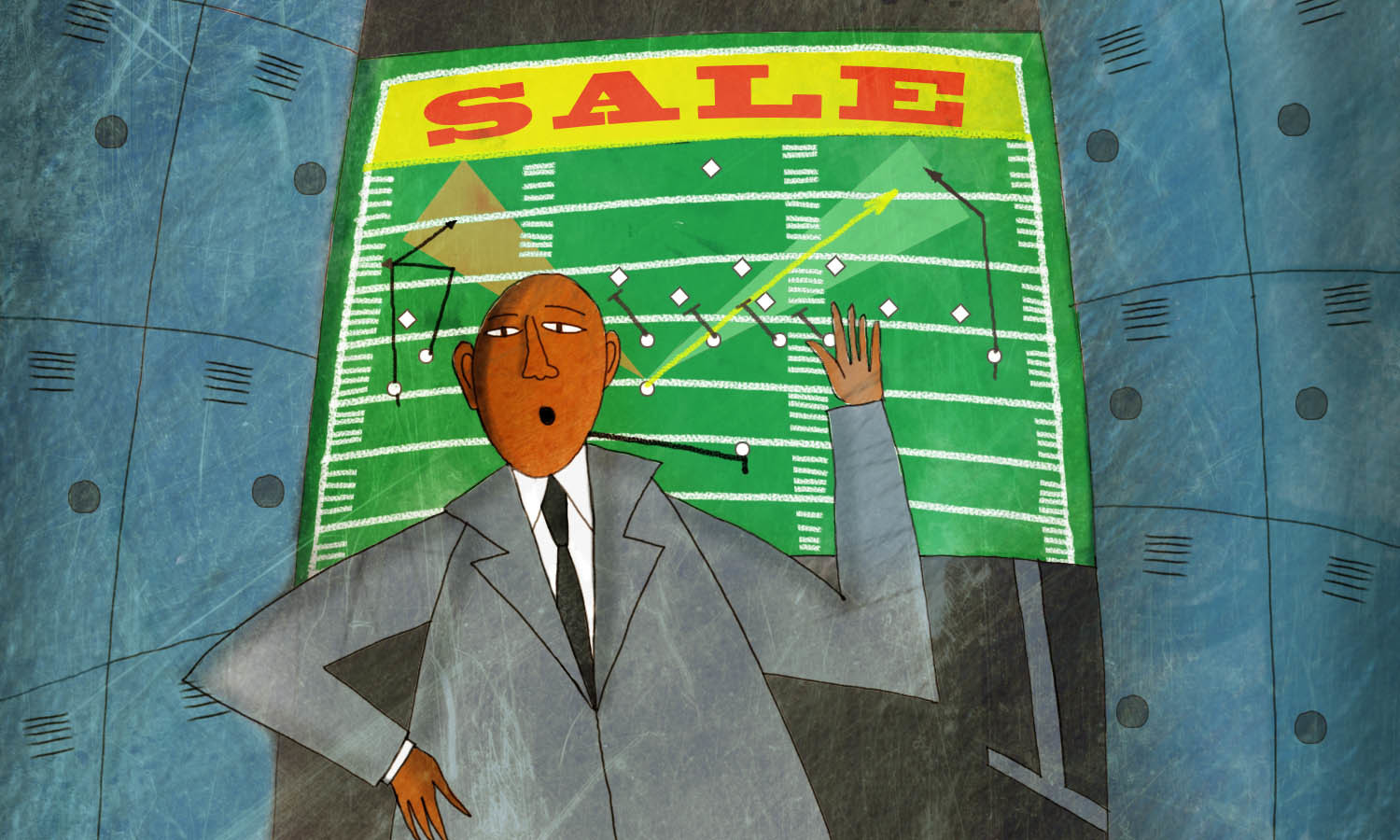
For football fans, especially if your team is one of the two teams in the big game, the event represents the culmination and climax to a season-long battle among some of the most elite athletes in the world. Yet, whether it be through casual conversation or a consumer poll, it is rather common to hear that a large contingency of people are as excited, perhaps even more excited, about Super Bowl ads. Put simply, an excitement and anticipation exist around watching Super Bowl ads. Why?
The Super Bowl is not an event that most people consume in isolation. It is often a time of celebration where people come together. Indeed, even during the Covid-19 pandemic, we have gathered, albeit virtually, to watch ads together. Moreover, social media and YouTube come alive with discussion and banter about the ads. A related reason for this is that Super Bowl ads often feature ad agencies’ best and most creative work. A lot of effort goes into designing and delivering Super Bowl spots, and this makes them a spectacle to behold that people want to be a part of. Put simply, Super Bowl ads have become their own cultural experience that, for at least a short period, fuels engagement and conversation with others and makes us feel part of the party.
Another reality is, while the Super Bowl is advertised as a clash of the titans, a majority of the audience won’t be a fan of either team. In fact, we all know someone who would prefer that neither team wins! Even if you favor one team over the other, it’s often impossible to get excited for them when your team is not in the big game. In contrast, Super Bowl ads provide a level playing field. We can all laugh at ads that surprise us with the surprise appearance of a celebrity with a clever quip. We can all scratch our heads when we see an ad that doesn’t make sense. And, when a brand really blows it—which happens from time to time—we can all point out how we could have done a better job. In short, while we can’t all be winners when it comes to having our team in the Super Bowl, we can all have something to say about the Super Bowl ads!
I’ve watched Super Bowl ads for a long time. And every year I receive questions from reporters about the ads. And every year, like an alarm going off on command, the most common question I get has to do with the cost. Super Bowl ads now come in at more than $5 million dollars for a 30-second spot. There’s a lot you can do in advertising for $5 million dollars. In fact, a number of brands will spend more on their Super Bowl spot than other brands will spend throughout the entire year. The cost draws people’s attention to the event, and it also leads to the discussions and conversations of how one might have done a lot better with the same money! And, in case you’re wondering, the cost reflects the fact that the Super Bowl reaches a massive audience—often over 90 million people—that wants to watch the ads! It’s hard to find another channel that meets these two parameters, which is why the costs of Super Bowl ads have continued to rise.
Last week, we learned that the Cincinnati Bengals and Los Angeles Rams will be vying for supremacy in this year’s Super Bowl. We don’t know who will win, but there is no ambiguity that the Super Bowl ads will be in full force, and like many of my readers, I’ll be ready to discuss them after they’ve aired.
*
This article originally appeared in Forbes.