Who Builds the Green Economy?
Michael Meier
Scientists have been warning us about climate change for decades, telling us that if we don’t reduce our carbon emissions soon, life on Earth will become exceedingly difficult. And for a while, it seemed like people cared: governments passed policies, companies made net-zero pledges, people shopped with reusable bags.
But, as it stands, global emissions are at an all-time high, and our window for dodging the worst climate impacts is closing. Why haven’t we moved the needle?
Season 3 of Insight Unpacked—our deep-dive podcast series—dove into this question, asking Kellogg faculty and industry experts what happens when corporate leaders, investors, policymakers, and technologists try to make changes—and why they keep hitting a wall.
While we were putting together the season, a few concepts stuck out. These graphics and visualizations tell a parallel story with the audio episodes about where we stand on climate change, capturing the anxiety and frustrations—but also a little bit of hope.

If you pay attention to environmental policy, the Paris Accords of 2015 were a really, really big deal. For the first time, nearly every country on Earth came together to fight climate change, signing a treaty that committed to limiting the global temperature increase to 2 degrees—and preferably, only 1.5 degrees. The details on how that would be achieved may have been vague, but it was still the kind of unified international pledge needed to confront this crisis collectively.
Yet a decade later, it doesn’t feel like we’ve made much progress. Global CO2 emissions and the average temperature increase above pre-industrial levels have continued their steady upward march. Shortly after our series ran, the United Nations declared that the 1.5 degree goal had failed, and we’re closing in on the more-conservative 2 degree target. Even the slight, hopeful plateau seen after the Paris Accords was largely due to the Covid-19 pandemic temporarily suppressing activity around the world.
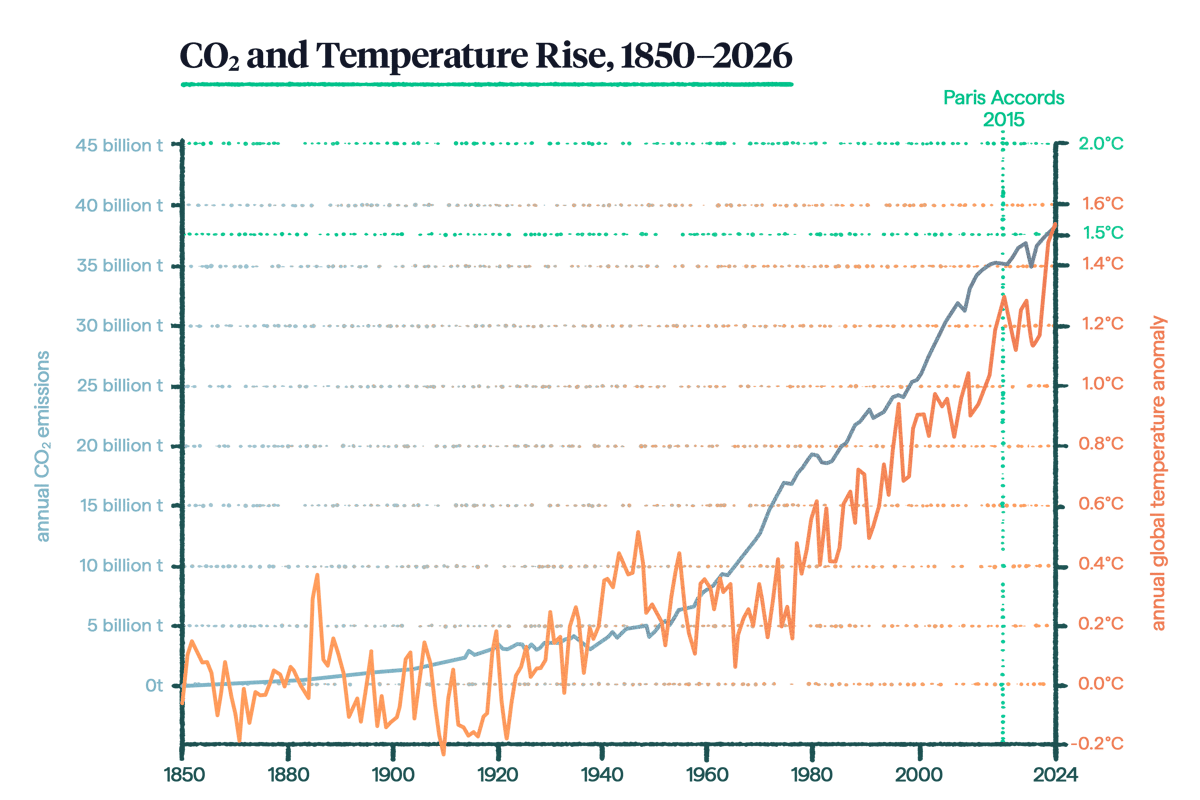
But beneath those worrisome headline numbers are reasons for optimism, says Kellogg professor Meghan Busse. The Paris Accords set in motion or accelerated climate efforts along three different fronts: technological development, public policy, and sustainable business. Even if these individual levers haven’t yet bent the overall curve of emissions and temperature, they’re all trending in the right direction and could lead to meaningful climate impact sooner than we think—if we can get past some serious hurdles.
“Climate change is not something we're going to stop. Climate change is happening already. What we do have control over is how much more different, from what we might have been used to 50 or 70 years ago, is it going to get?”

In the wake of the Paris Accords, it became fashionable for companies to announce their own climate pledges. Over a thousand of the world’s largest companies did, according to Net Zero Tracker, with goals including funding sustainable projects, using more clean energy, and reducing carbon emissions—or canceling them out entirely. But as we cover in Episode 2, many of these companies have backed off their climate promises since the second election of Donald Trump to the White House.
Those reversals might be fickle businesses navigating political shifts, or it could reflect a growing realization: measuring a company’s climate impact is hard. It’s easy to put out a press release that your business will cut its emissions by such-and-such percent before some far-out year. But even calculating the baseline of those emissions—never mind coming up with effective strategies to reduce them—can be incredibly complex.
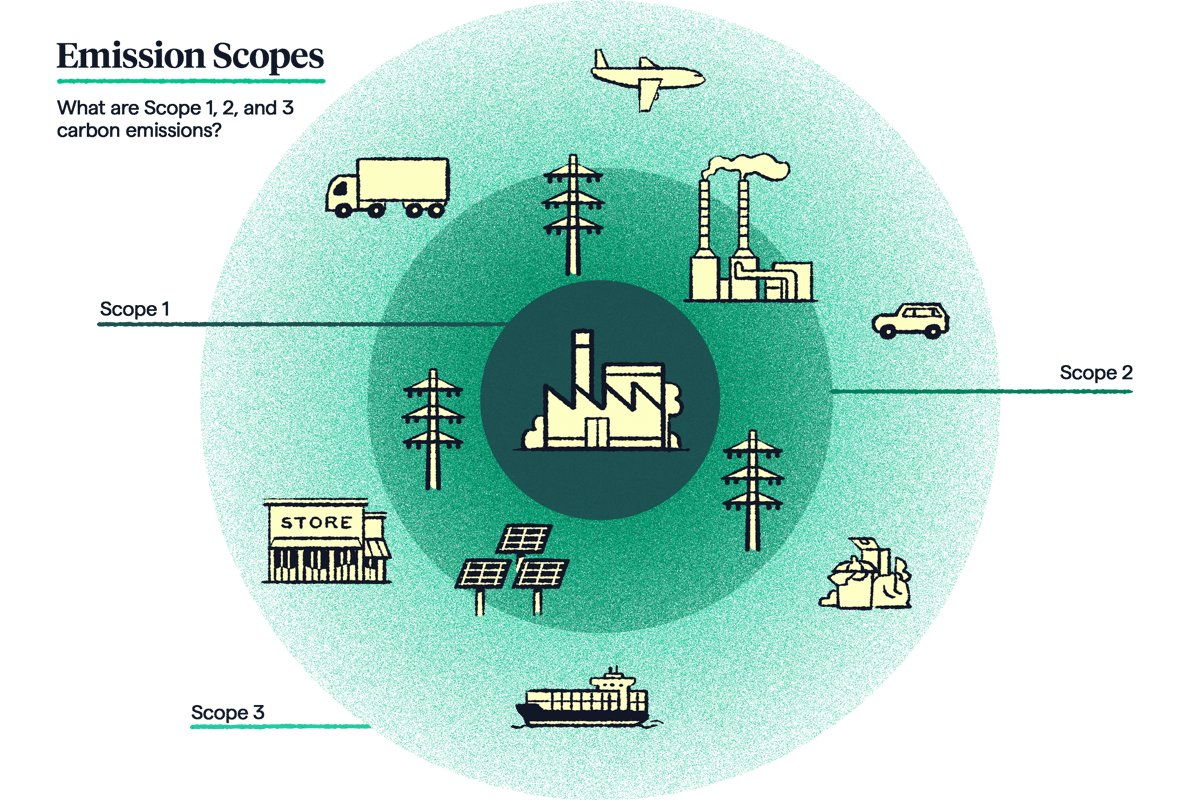
The most popular framework is set by the Greenhouse Gas Protocol, and it breaks down a company’s carbon footprint into three scopes. Scope 1 is fairly simple: the carbon released by factories and facilities owned by the company. Scope 2 extends it further to energy purchased by the company from utilities, primarily the power used to heat, cool, and light up their offices and other buildings. It’s Scope 3 where the definition gets very broad and very fuzzy, bringing in the emissions from a company’s supply and distribution chains, business travel, employee commutes, and waste disposal.
Without agreed-upon rules on how to calculate the sum of all these climate impacts, it’s hard for companies to even take the first step towards reducing their emissions. And that uncertainty may contribute to their flip-flopping on green initiatives.
“These [climate pledges] aren’t binding. These are just promises. And so they’re only as good as the people that make that promise and whether or not they’re willing to keep it.”
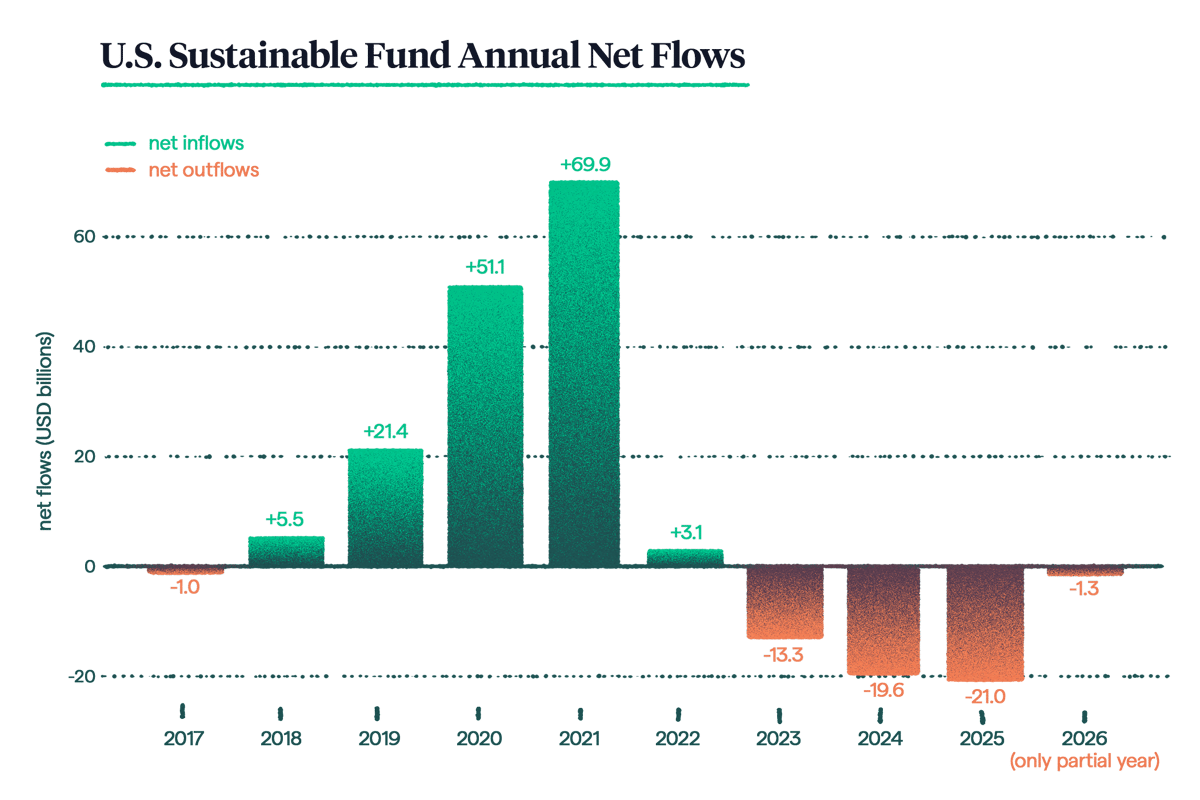

In parallel to that surge of company net-zero pledges, sustainable investing also had a moment. Money from both institutional and retail investors poured into funds that selected stocks based on a score called ESG—Environmental, Social, and Governance. Companies were rated according to these three measures, taking into account factors like environmental lawsuits, employee satisfaction, and C-suite accountability.
Somewhere along the line, “ESG” became conflated with a company’s climate priorities. And as wealth manager Jeff Gitterman told us in episode 3, that wasn’t what the tool was intended for. Inevitably, there was a backlash, and ESG funds went from the darling of the stock market to a pariah, recording net outflow from 2023 to 2025. It was the latest example of how the short-term mechanics of the stock market aren’t always a good match for the long-term strategies needed to move the needle on climate change.
But the hunger for sustainable investing is still there. While scores of ESG funds are shutting down, there are still hundreds of billions of assets invested in sustainable funds. The market solution may just need more than simplistic scores: true carbon accounting measures, creative financial structures, and effective policy incentives. Because even if sustainable investors are motivated by a noble cause, they still have to play by the rules of the market.
“There is no such thing as climate finance. No such thing. Finance is finance.”
It’s not easy to pass “green” policies, especially in today’s polarized environment. But even when climate-friendly laws are signed and sustainable projects are approved, it’s only the beginning of a long road.
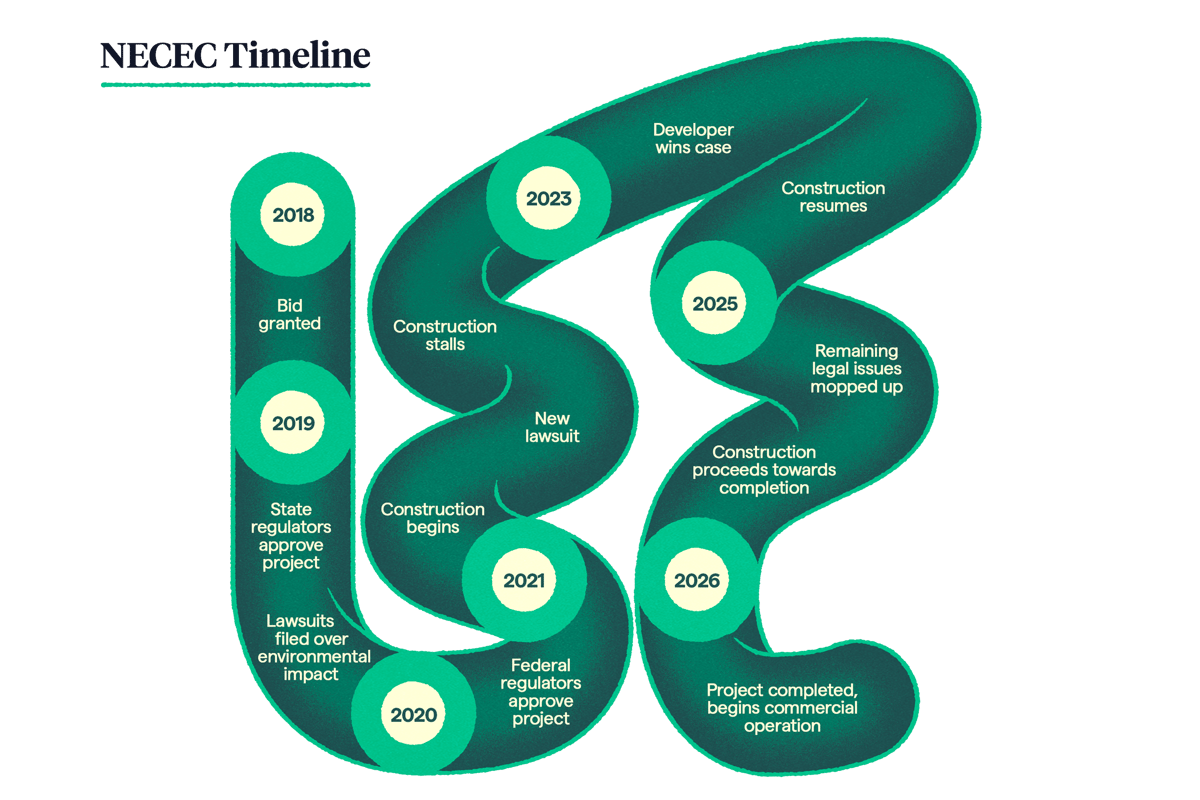
David Besanko, a policy expert at Kellogg, points to an illustrative example. The New England Clean Energy Connect project was approved in 2019 to bring clean hydropower from Quebec down into Massachusetts. But before the first shovel touched dirt, there were issues.
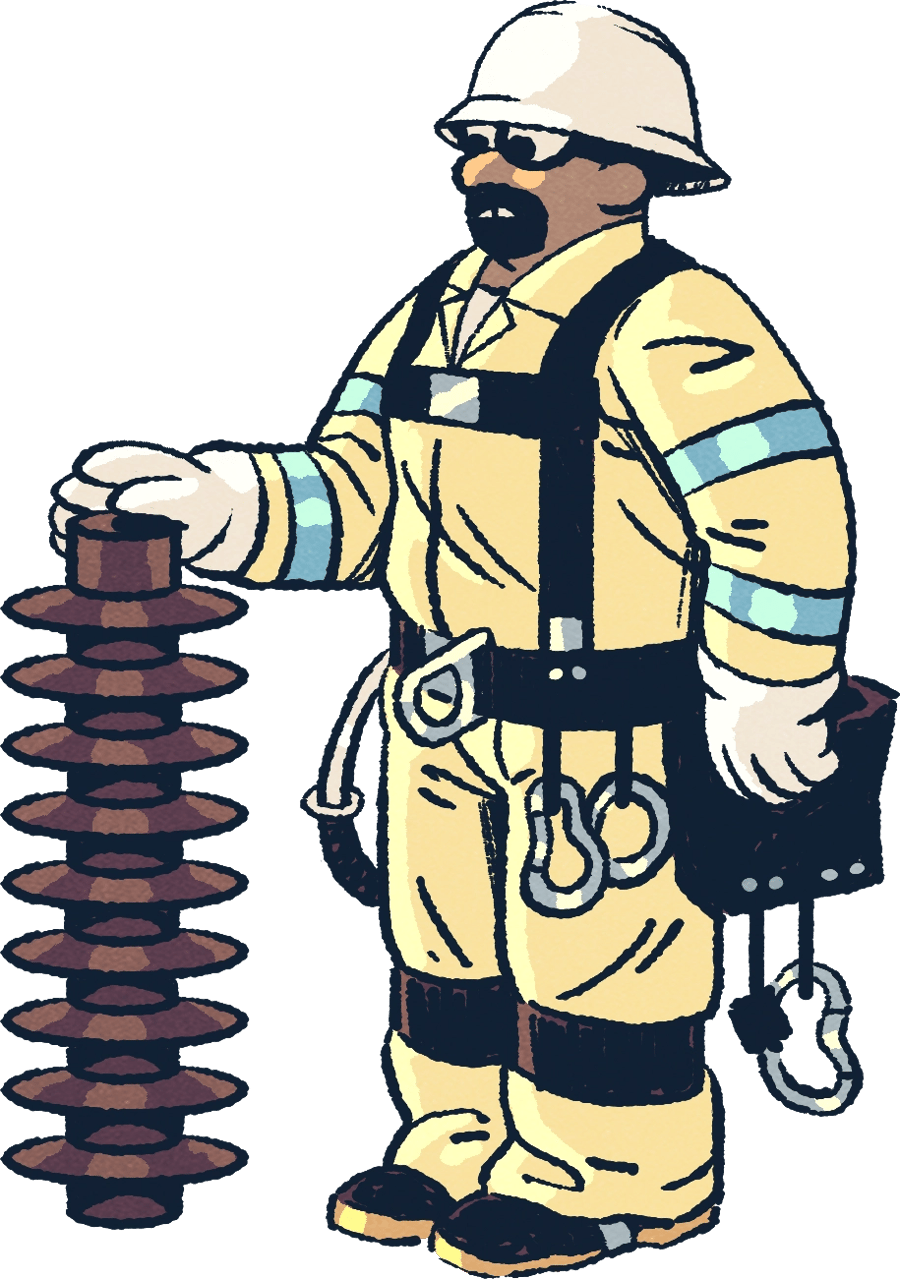
In order to reach Massachusetts, new power lines would have to be constructed across New Hampshire. But that state balked. The project’s path shifted to Maine. Residents there passed a referendum to stop it. Several lawsuits were filed, some coming from, ironically, environmental groups seeking to protect wild areas along the route.
Eventually, the project was finished. But it took nearly a decade from start to finish and cost far more than original estimates. As Besanko says, the saga demonstrates how the real policy solution might not be getting the votes for new clean-energy projects—it’s reforming and streamlining the permits and other regulations that weigh approved projects down. Doing so would make it easier for developers to take the cost-intensive risk.
“In the U.S., the regulatory environment has sort of flip-flopped with every change in government, and there hasn't been a very clear framework for an energy transition. The uncertainty is very high, and so you don't quite know whether you can make those long-term bets.”
When you sit to consider all of this, it can feel like we might never have what it takes to build the green economy. But the experts we talked to kept saying they were still optimistic, despite all the depressing headlines and frustrating lack of progress.
Their advice was to zoom out. In the United States, it feels like we’ve moved backwards on clean energy and climate change mitigation. But across the rest of the world, sustainability is still trending up. The European Union has passed strong regulations around carbon emissions. China has aggressively entered the market for electric vehicles, solar panels, and other green technologies.
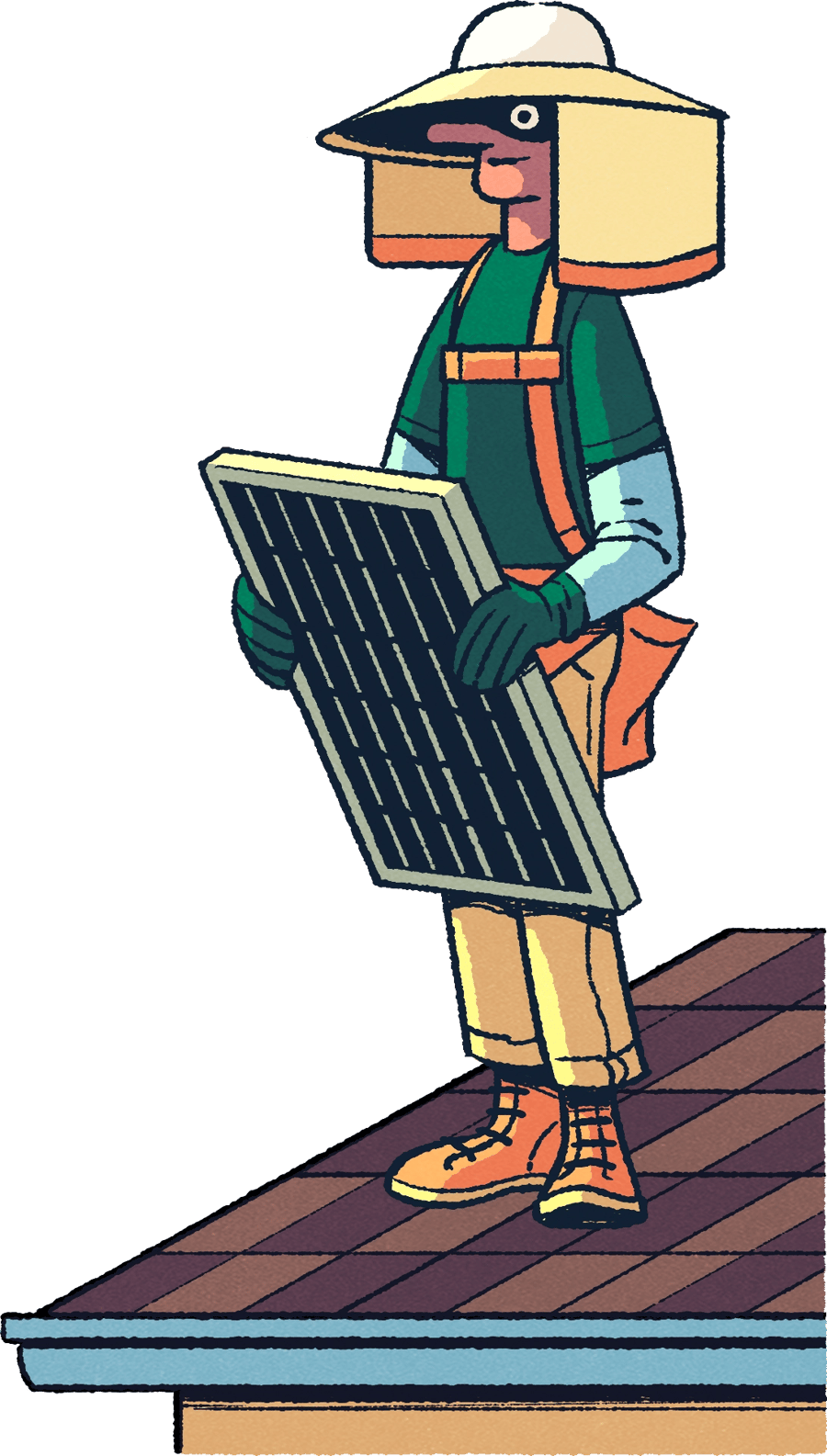
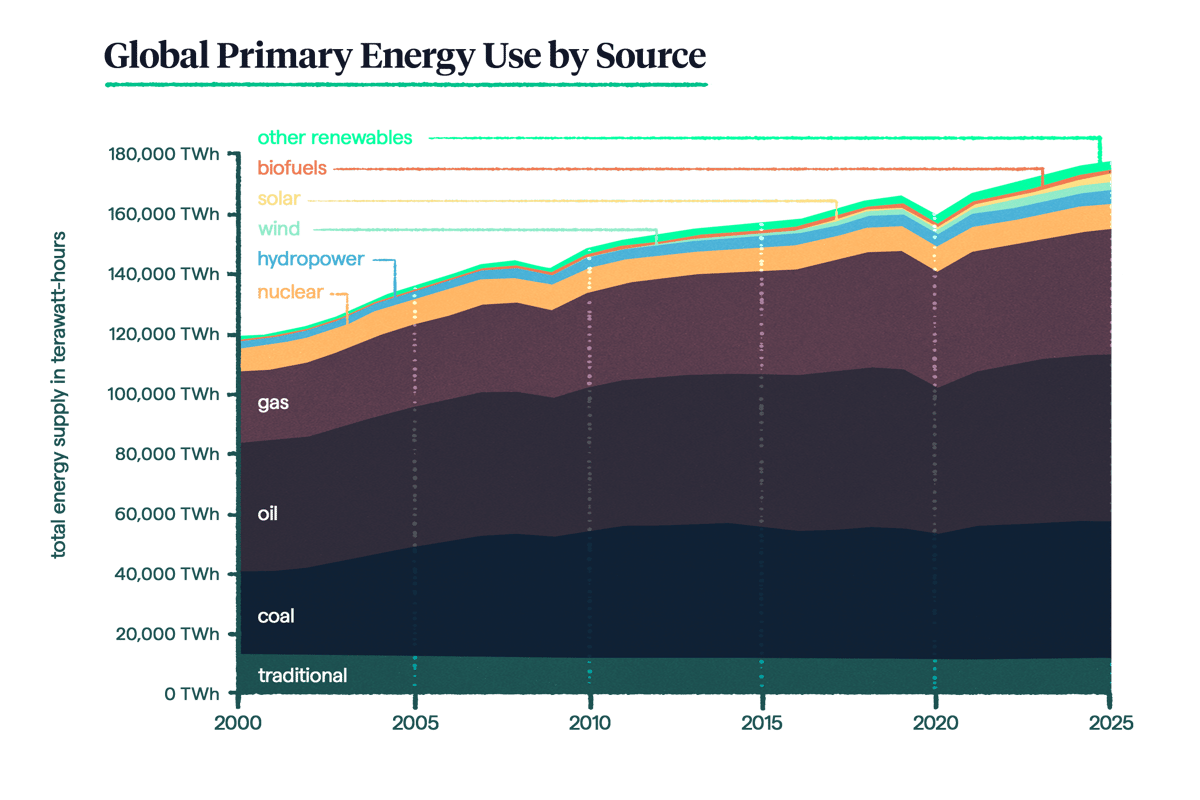
These efforts are starting to show up in the numbers. In April 2026, wind and solar generated more electricity than gas worldwide for the first time. The conflict in Iran has accelerated the transition to renewables in Asia and Europe. U.S. wind and solar energy production have set a new annual record every year for two decades.
When you look at where the world gets its energy, it’s still dominated by carbon-emitting sources like oil, coal, and gas. But those colorful slices representing wind, solar, hydropower, and other renewables? They’re getting wider. And the economic case for these clean-energy sources is only getting stronger as solar and wind power become cheaper to produce.
“Other countries are continuing to build the industries and build the economic opportunities and build the competitive advantages of these new clean-energy businesses. … The difference is that they’re going to be the ones who are going to reap the financial rewards of these new innovations and of these new markets in a way that the U.S. currently is setting itself up not to do.”

“Climate change is not something we're going to stop. Climate change is happening already. What we do have control over is how much more different, from what we might have been used to 50 or 70 years ago, is it going to get?”

“These [climate pledges] aren’t binding. These are just promises. And so they’re only as good as the people that make that promise and whether or not they’re willing to keep it.”

“There is no such thing as climate finance. No such thing. Finance is finance.”
“In the U.S., the regulatory environment has sort of flip-flopped with every change in government, and there hasn't been a very clear framework for an energy transition. The uncertainty is very high, and so you don't quite know whether you can make those long-term bets.”

“Other countries are continuing to build the industries and build the economic opportunities and build the competitive advantages of these new clean-energy businesses. … The difference is that they’re going to be the ones who are going to reap the financial rewards of these new innovations and of these new markets in a way that the U.S. currently is setting itself up not to do.”
Rob Mitchum
Laura Pavin and Fred Schmalz
Michael Meier
Laura Pavin, Andrew Meriweather, and Rob Mitchum
The Kellogg Insight team
Andrew Meriweather
Sam Clapp
Holly Benz, Meghan Busse, David Besanko, David Chen, Brayden King, Matt Roling, Jeffrey Ubben, Adam Waytz, Klaus Weber, Aaron Yoon and Eleven Eleven Foundation
Progress Since Paris
- The United Nations declared that the 1.5 degree goal had failed
- Annual CO2 emissions
- Global warming: annual temperature anomaly
The Great Flip-Flop
Why ESG Flopped
- Hundreds of billions of assets invested in sustainable funds
- US Sustainable Funds Returned to Positive Flows in Q2 2026
- What goes into an ESG score
- US Sustainable Funds Registered a Third Consecutive Year of Outflows in 2025
The Long, Bureaucratic Road
Glimmers of Hope



University. All Rights Reserved. Privacy Policy.