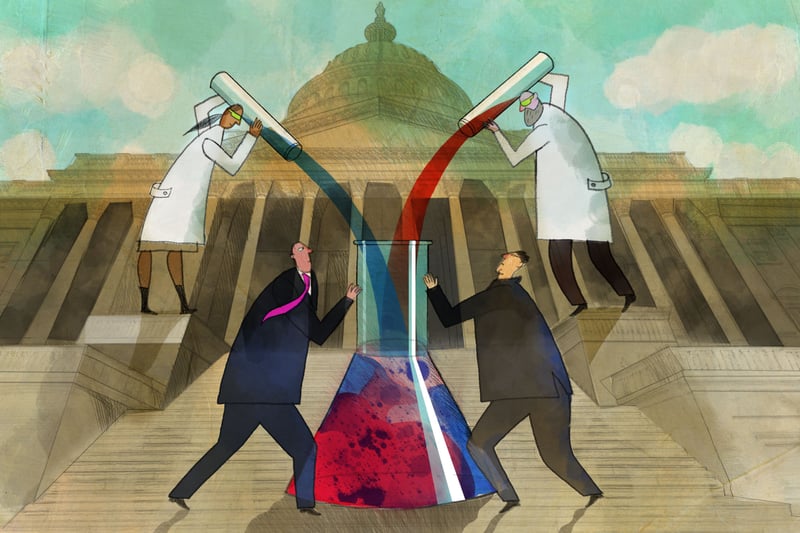
Amid growing U.S. polarization, there exists a small slice of research both Republicans and Democrats turn to for policy decisions.

Designer suit? Ivy League cufflinks? Flaunting your status can backfire. Let others notice first.

Whether you’re giving or receiving feedback, making it personal isn’t a bad thing—it can help you and your team grow.
Kellogg faculty shed light on how social-media features such as influencer marketing, reposting, and “follow-backs” reflect and shape our offline lives.
Saving the planet is going to take more than net-zero pledges and shopping green. In the first episode of our series, “Insight Unpacked: Can We Still Build a Green Economy?” we take the current temperature of the climate fight.
The work doesn’t end when you leave the C-suite. Here are tips to get the most out of your next stage.
New research shows that racial solidarity and discrimination help shape how people align.
Can We Still Build a Green Economy?


The AI models informing many of our decisions are riddled with preconceptions. On this episode of The Insightful Leader, two experts outline how bias creeps in.
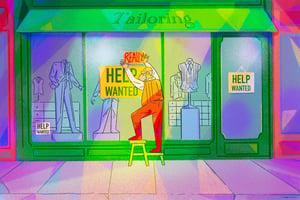
The problem is not just the labor market. Businesses hoping to improve hiring should gather intelligence on competitive wages.

People are harder on political leaders of the opposite party for near catastrophes, from threats of war to financial bubbles.

Those with strong religious beliefs are more likely to engage in “slippery slope” thinking—the notion that one bad decision can snowball into larger offenses.
The skills you learn for striking bargains and asking for raises can work at home … if you avoid these mistakes.
Oil price shock? Rising inflation? Slowing economy? It’s a mix that economists dread, and it’s bad news for businesses and households.
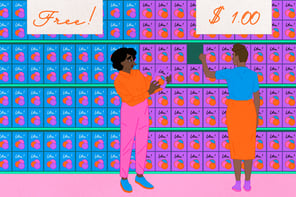
Pricing plays a big part in a product’s success or failure. Kellogg faculty research helps demystify the process.
Some Facebook users have never gotten an ad in their feed. Here’s how that’s affected their experience.
The question is no longer whether AI will affect small and mid-sized businesses. It’s how—and how fast.
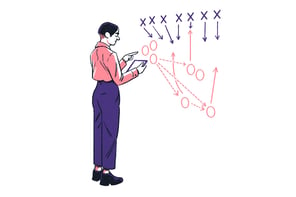
So you’ve tinkered with AI, but now you want to level up. Here are tips from Kellogg faculty on using the tech more effectively.

FOMU can lead to an overabundance of caution. Read tips from a Kellogg expert on embracing risk and owning mistakes.
The return of full-fat dairy to school menus illustrates how government protection of struggling industries can backfire for companies and consumers.

Marketers, take note: there’s a strong connection between one’s political leanings and a preference for “cute” product aesthetics.
Globalization causes world markets to move in sync. But a data-driven strategy shows that there’s still an edge in looking beyond U.S. stocks.
A new model disentangles the appeal of the platform’s shows and movies from the influence of its recommendation system.

An economic model helps explain why starting low and slowly increasing prices often leads to the highest profits over time.