Coronavirus Crisis
Kellogg faculty offer research and analysis on what the COVID-19 pandemic means for businesses and society.
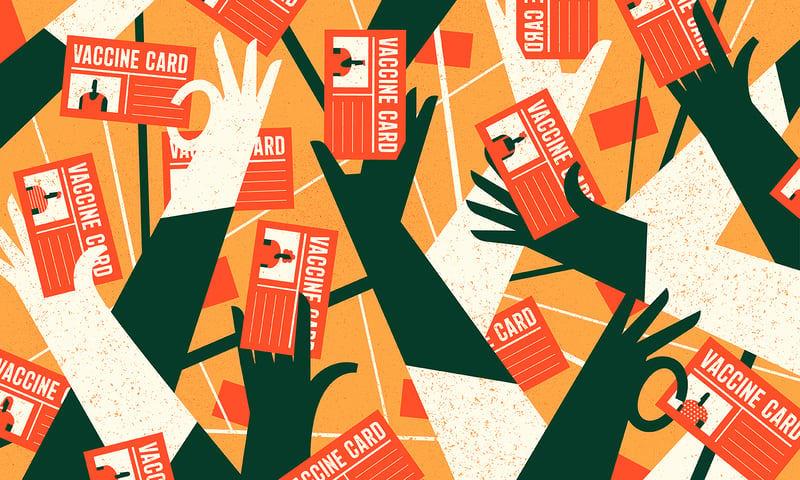
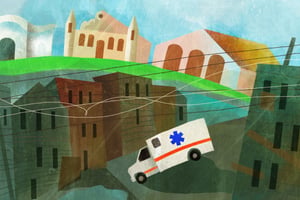
A chief medical officer and a supply-chain expert discuss the nuances of the rollout.

For starters, turn responsibility over to local organizations and communities, where trust is higher.

Consequences for workers and cities could be bleak.
Kellogg Executive Education Videos

The crisis presents an opportunity to dream up new ideas, learn from others, and take bold action.

Space: the final frontier—for learning how to keep your team motivated during extended periods of isolation and confinement.
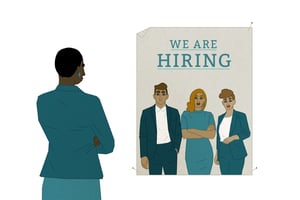
When you prioritize candidates you “click with,” you run the risk of discriminating against candidates from different backgrounds. Here’s how to change course.

From a “pre-flight checklist” to handwritten thank-you notes, here’s how to sell both your products and your ideas via video.
Kellogg Insight Coverage
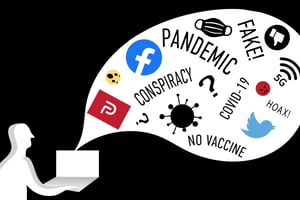
Misinformation is thriving in an environment where people feel disconnected. Social media isn’t helping.
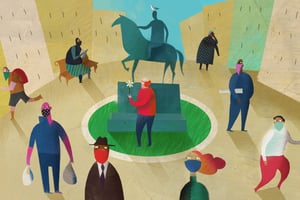
Places with high levels of trust are worse at social distancing.

Global surveys of more than 30,000 people revealed widespread drops in income, rising food insecurity, and an increase in domestic violence.

A former Treasury official discusses where things stand now—and what the future might bring.
Researchers were surprised by the variable that best predicted fatalities.
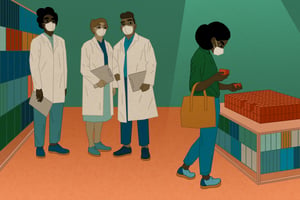
Researchers are rushing to make sense of the current moment. We spoke with the editor of a leading journal about what her colleagues are up to.
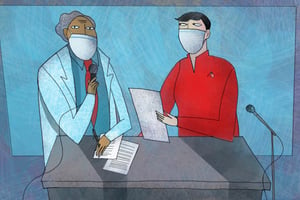
In an era of misinformation, policy based on “dubious science” could mean a greater loss of life and economic hardship.
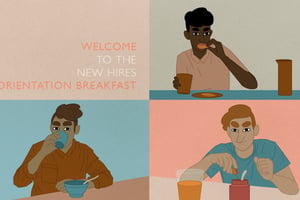
Changes to work routines offer opportunities to rethink and shore up your organization’s ethos.
On this episode of The Insightful Leader, get practical advice for detecting your blind spots—and pushing past them.

Consumers turn to old standbys like Campbell’s Soup and Oreos. Here’s why.

With demand still down and debts mounting, the industry looks ahead.

For one, take a page from the hero’s journey to find transformation in adversity.

A Kellogg professor spent the past year at the Fed. He explains the bank’s “guns-blazing” response—and the limits to these interventions.
Tips for thinking through “friction points” and making new habits stick.

As the pandemic continues to upend how we live, work, and play, the future of residential and commercial markets remains very much in flux.
In uncertain times, businesses need to adapt. Their owners may have to as well.
A former CEO on how to budget time for what you value most.

Lower debt, diversified portfolios, and longer-term horizons may be shielding family firms from the existential threats facing many other businesses.
To fund pandemic-related spending, governments around the world will need to take on more debt. If they can.
From household spending to the strength of the dollar, an economist sees some clear trends—and signs of what’s to come.
The technology can help reopen workplaces—but only if your employees trust it. On this special episode of The Insightful Leader, three experts discuss how to earn that trust.
Five lessons from Kellogg Professor Marty Lariviere.
On this special episode of The Insightful Leader: a conversation with the chairman and the CEO of Griffith Foods about leading with purpose during the crisis.
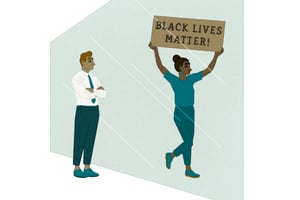
Two experts discuss why corporate diversity initiatives so often fall short, and what it will take to produce real change.

The extent varies a good deal by field, but the single biggest factor is whether a scientist is caring for young children.

Life today is complicated. Here are some simple ways to stay energized and motivated.
On this special episode of The Insightful Leader, veteran venture capitalist Woody Marshall discusses the investment landscape and the importance of leadership through the pandemic.
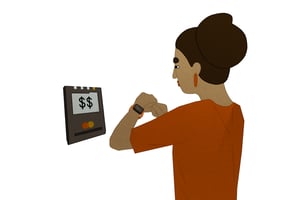
The crisis provides fertile ground for startups in spaces like telehealth and touchless payment. Other startups will need to get creative.
On this special episode of The Insightful Leader, a conversation with the company’s chief merchandising officer about adapting for an unprecedented future.

A new study pinpoints which sectors—and which workers in those sectors—suffered the most. Congress should take note.
The adrenaline has faded. All-nighters are not sustainable. A retired Navy admiral explains what needs to happen now.
Tips from a clinical health psychologist on managing the work-related stressors that may be affecting your mental health.
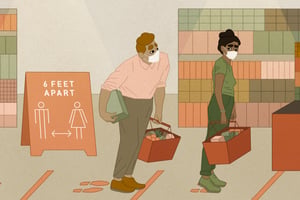
Well, not exactly. But it does offer a new way of thinking about the problem.
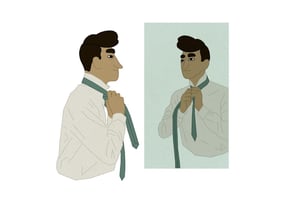
You can still seek out ways to stretch yourself or test out a new career path—even during a pandemic.
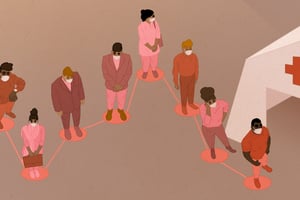
Robust testing is key to safely reopening the economy. But a new model shows that if testing is not paired with “smart containment,” it could backfire.

From “speed-storming” to building a team charter, these ideas boost creativity and comfort on video calls.

You know you need to adapt. But how?

Six tools from an unlikely place—improv comedy—to use on your next Zoom call.
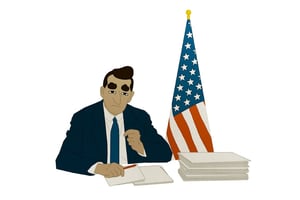
Kellogg’s Janice Eberly zeroes in on a few data points that demonstrate the massive challenge policymakers face.

Here’s how we can accelerate efforts to reduce the spread, develop treatments, and find a vaccine.
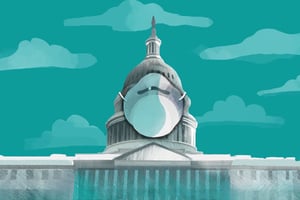
A former White House economist weighs the pros and cons of job-retraining programs, aid for states, and universal basic income.
A new study shows how highly leveraged companies have less flexibility to innovate in a downturn.

Real-time data pinpoints what we’re buying, and who’s spending the fastest.
Even so, one of their core strengths could become a liability.

There will be more buyout opportunities, but fewer on-site visits will make due diligence more difficult.

A relationship researcher offers advice for cooped-up couples. Plus, how to preserve your work friendships.
Access to capital will likely buoy some PE firms and the companies they back. Others will be less lucky.

Share in their sacrifice. Don’t preach. And ask these three questions.

And how policymakers can help make them less appealing.
From questionable buybacks to overly restrictive M&A clauses, a recent pledge to consider other stakeholders is ringing hollow.
When we stop compartmentalizing our home and work selves, we tend to act more ethically. Find out why on this episode of The Insightful Leader.
An economist explains how leaders can try to lower fixed costs, retain workers, and mind their brands.

It’s going to require a shift in management style—and a healthy dose of overcommunication.

Researchers examined how households responded to shelter-in-place orders. They uncovered some surprises.
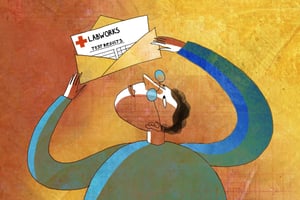
A new study on malaria prevention shows that employees who know their health status become more productive at work.

And other advice on making tough choices during a pandemic.
COVID-19 is providing a crash course in crisis management. Leaders who display empathy, transparency, and aspiration will stand out.
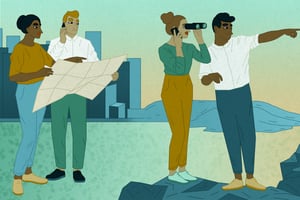
Finding a job during a pandemic. Plus, the fate of the 1918 “flu babies.”
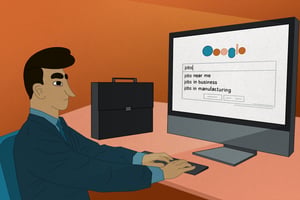
A new analysis explains why this pandemic really is different.

The death toll from failing to contain the virus will be far more costly to society.

State governments are responsible for implementing much of the social safety net. They’ll be looking to the federal government for extra help.

From stimulus strategies to how businesses will fare, research on past downturns can help inform our outlook today.
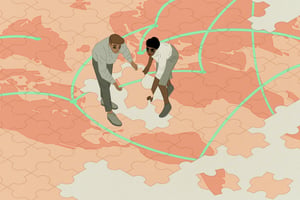
There are strategies that both large and small companies can implement to make their manufacturing more agile.
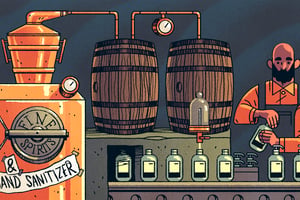
Want to take action but don’t know how? Answering these three questions can get you started.

A former Fortune 500 CEO offers a way forward during this time of unprecedented uncertainty.
Kellogg Faculty Around the Web
Policy
COVID Safety Precautions Are as Important as Ever. Here’s How to Persuade Resisters.
USA Today, January 18, 2021
Economics
How Too Much Optimism on Vaccines and the Economy Could Derail Growth
Forbes, January 15, 2021
Strategy
Virtual Collaboration Won’t Be the Death of Creativity
MIT Sloan Management Review, December 8, 2020
How to Measure the Speed of Your Organization
Forbes, October 28, 2020
Evanston Firms Startup or Expand as Others Close
Evanston Now, September 3, 2020
Want Your Business to Survive the Pandemic? Facilitate Stories.
Forbes, August 30, 2020
Working from “Anywhere” Is Possible—but not Sustainable
Fast Company, September 1, 2020
Just how bad is this economic crisis going to get?
Marketplace, August 20, 2020
How Credit Ratings Are Shaping Governments’ Responses to COVID-19?
Forbes, August 19, 2020
Reinventing the Customer Experience: Lessons from Jio
Forbes, August 17, 2020
The Economy Depends on Small Businesses—4 Policies than Can Help as Their PPP Money Runs Out
MarketWatch, August 17, 2020
How To Make 2021 The Best Year Ever
Forbes, July 16, 2020
Are You Angry with the Fed? You Should Be
The Hill, June 23, 2020
Pandemics Leave Us Forever Altered
The Atlantic, June 2020
How Financial Markets Can Impact Social Justice
Forbes, June 17, 2020
How To Secure Credit During A Financial Crisis
Forbes, June 16, 2020